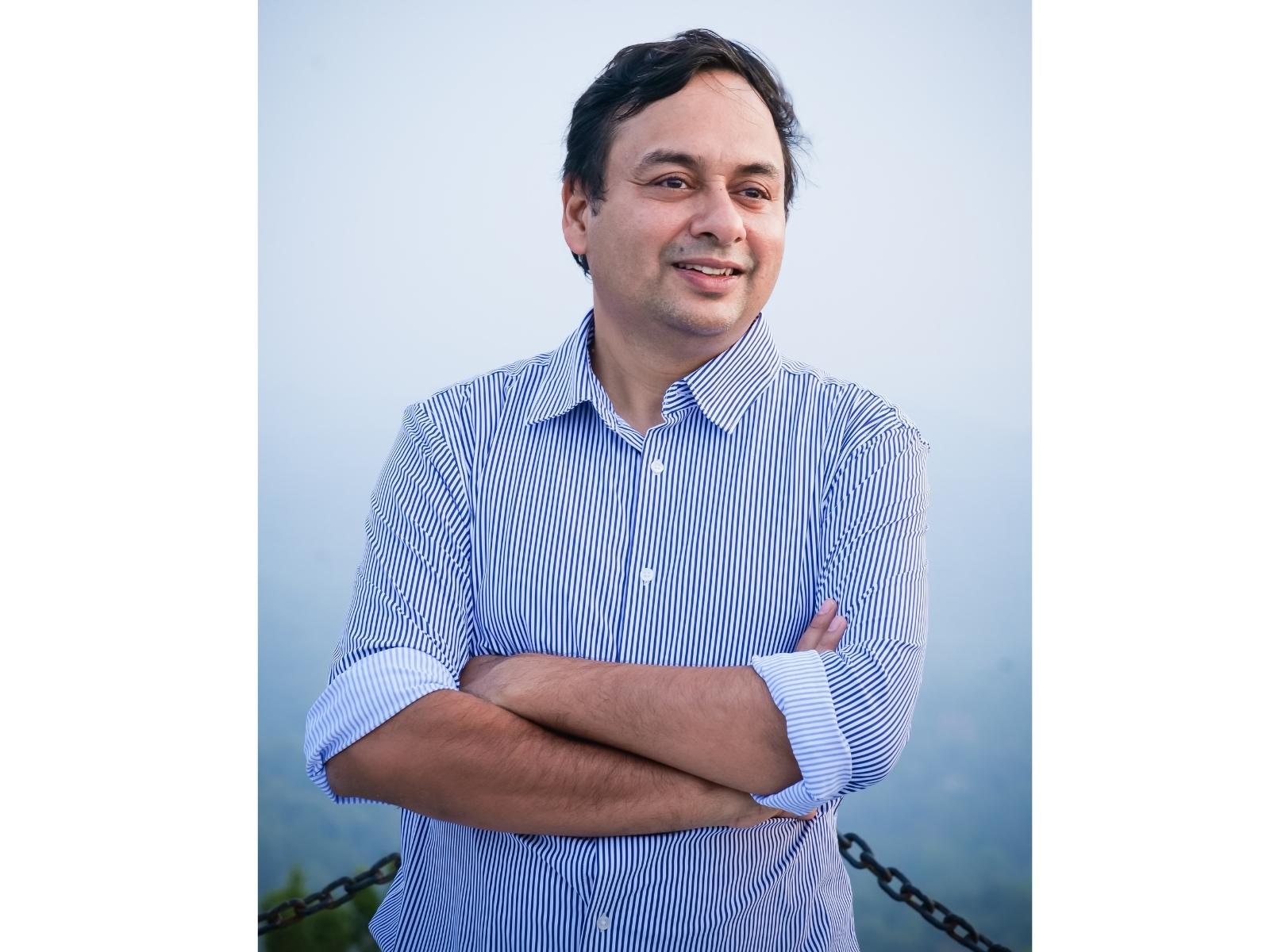
Amit Kumar Agarwal, cofounder and CEO of NoBroker
Bengaluru (Karnataka) [India], July 13: There is a quiet shift happening inside India’s gated communities. Residents are stepping out less, not because they have to, but because they no longer need to.
Everything that once required a trip outside such as groceries, a yoga class, a plumber, a home-cooked meal from a good kitchen, is now available within the society walls of where they live. The society gate used to mark where home ended and the city began. Today, for millions of residents across India’s premium communities, homes have simply become bigger, richer, and more complete.
NoBrokerHood sits at the centre of this shift. What began as a security and society-management platform has grown into something larger: the operating system of a self-sufficient neighbourhood, and, increasingly, the trust layer that makes it work.
The Grocery Run That No Longer Happens
Ask a resident of a premium society when they last went out specifically for groceries, and most will struggle to remember. Quick commerce changed this for most urban Indians. Inside NoBrokerHood societies, it goes a step further.
Deliveries are tracked, approved, and received at the gate without the resident ever coming downstairs. A typical society now handles hundreds of deliveries a day. Before digital gate management, keeping a manual log of every entry and exit was a logistical nightmare, guards calling each flat, visitors waiting, queues forming. Today it is invisible. The package arrives. The resident gets notified. Entry is approved. Package is delivered.
Help at Home, Found at Home
Finding reliable househelp used to mean asking around: a neighbour, a guard, a hope that someone knew someone. It was informal, slow, and unreliable.
Inside NoBrokerHood communities, that has changed. Today, most new househelp hires start inside the app: a resident looking for a cook, a cleaner, or a babysitter finds verified profiles from within or near the community, and gets help without a single call to a stranger.
This matters because trust is the hardest thing to establish with someone entering your home. When the recommendation comes from within your own society network, that trust is already partly there. The community becomes its own reference system.
“The future of urban living will not be defined only by smarter homes, but by smarter communities as well. We’re seeing communities evolve into vibrant local ecosystems where everything from daily services and facility bookings to neighbourhood commerce happens seamlessly. Today, we are present in over 25,000 societies, impacting 50 lakh families across India. While this is a significant milestone, it represents only a fraction of the country’s vast residential community market, leaving immense room for growth. At NoBrokerHood, our focus is on building the digital infrastructure that enables these communities to function effortlessly while bringing residents closer together.” – Amit Kumar Agarwal, Co-founder & CEO, NoBroker
The Coach Came to the Building
India’s premium societies were always designed to be more than housing. They were built as self-contained townships where a pool, a clubhouse, a court, a play area meant you never needed to step out for the good things in life. That promise has only grown: cricket nets, multi-sport courts, yoga studios, senior-citizen tracks, structured coaching for children. A society is no longer just a place to sleep, It is a place to train, play, recover, and grow.
But here is the reality that comes with that ambition. These societies are high-rises with thousands of flats and thousands of residents, all wanting to use the same facilities, book the same spaces, and register for the same programmes. The richer the amenity offering, the harder it is to manage, and that is exactly where a society-management platform becomes not a convenience but a necessity. NoBrokerHood lets societies configure every facility, set booking rules, collect payments, manage schedules, and track attendance in one place. Scheduling conflicts fall close to zero, and the manual effort of running these spaces drops dramatically. Seniors get dedicated slots; children get structured weekend programmes; society becomes a place you actually live in, not just come home to.
The Neighbourhood Next Door
The hyperlocal economy growing inside these communities is not really about convenience. It’s about trust. When thousands of people share spaces, facilities, and daily rhythms, some naturally begin offering services to each other: the home chef who makes weekend biryani, the instructor who runs morning sessions in the clubhouse, the tutor three floors up. They always existed. What was missing was the infrastructure to make them visible, trusted, and easy to reach.
NoBrokerHood, which holds half the market share across India’s top 15+ cities, provides exactly that. The society created the community; the app let it function as a marketplace. Verified listings mean the home chef two towers away isn’t a stranger on the internet, they’re a neighbour with an identity, an address, and a reputation. Services that once needed a Google search and a leap of faith now sit inside a network where people already know each other. Every listing is verified, every seller a known resident, every transaction inside a trusted circle.
Residents also pay utility bills, settle maintenance, and track every transaction in real time, no pending follow-ups, no month-end surprises.
That same trust now draws brands, too. Because attention inside a community is genuine and relevant, a world away from the anonymous scroll of the open internet, brands increasingly choose to reach residents through the app, making the society one of the most effective and least intrusive media environments in urban India.
The Society as Infrastructure
None of this works without the right foundation. A society running security on one system, finances on another, and complaints on a WhatsApp group cannot support a hyperlocal economy. The pieces have to connect. NoBrokerHood connects them: security, maintenance, amenities, communication, helpdesk, and marketplace on one platform. Management committees save twenty hours a week once lost to manual billing and follow-ups. Complaint resolution has fallen from weeks to a day. Guards log patrol routes in real time.
The infrastructure is invisible when it works well. Residents don’t think about the platform; they just notice that everything is easier, help is closer, and they’re hustling less and living more.
The 500-Metre Life
Urban planners talk about the ‘15-minute city’, the idea that everything a person needs should sit within a short walk of home. India’s gated communities, powered by platforms like NoBrokerHood, are quietly building something tighter. Call it the 500-metre life: a plumber, electrician, or carpenter booked in a tap; help found next door; a robust marketplace for buying and selling; commerce flowing through the community network.
NoBrokerHood set out to solve a real problem: how do you run a community of thousands, sharing spaces and services and daily life, without it all falling apart? The answer turned out to be bigger than a management tool. It became the foundation on which a complete, connected, and self-sufficient way of living has been built.
The society gate no longer marks where home ends. It marks where a more connected life begins.