Tag: Business

  • Globe Civil Projects Delivers Strong FY25 Performance with 56% Consolidated PAT Growth

    Globe Civil Projects Delivers Strong FY25 Performance with 56% Consolidated PAT Growth

    New Delhi [India], July 23: Globe Civil Projects Limited, (NSE – GLOBECIVIL | BSE – 544424), Company engaged in diverse infrastructure and non-infrastructure EPC projects across India, has announces its Audited results for Q4 FY25 & for FY24-25.

    Standalone Results (YoY Growth)

    • Total Income: ₹ 328.84 Cr, representing a YoY growth of 10.70%

    • EBITDA: ₹ 56.41 Cr, showing a YoY growth of 20.74%

    • Profit After Tax (PAT): ₹ 24.05 Cr, posting a YoY growth of 56.39%

    Consolidated Results (YoY Growth)

    • Total Income: ₹ 381.57 Cr, reflecting a YoY growth of 13.96%

    • EBITDA: ₹ 56.59 Cr, registering a YoY growth of 19.62%

    • Profit After Tax (PAT): ₹ 24.05 Cr, recording a YoY growth of 56.40%

    Key Financial Highlights

    Standalone Key Financial Highlights FY25

    • Total Income of ₹ 328.84 Cr, YoY growth of 10.70%

    • EBITDA of ₹56.41 Cr, YoY growth of 20.74%

    • EBITDA Margin of 17.15%, YoY growth of 143 Bps

    • PAT of ₹ 24.05 Cr, YoY growth of 56.39%

    • PAT (%) of 7.31%, YoY growth of 214 Bps

    • EPS of ₹5.52, YoY growth of 54.19%

    Consolidated Key Financial Highlights FY25

    • Total Income of ₹ 381.57 Cr, YoY growth of 13.96%

    • EBITDA of ₹56.59 Cr, YoY growth of 19.62%

    • EBITDA Margin of 14.83%, YoY growth of 70 Bps

    • PAT of ₹ 24.05 Cr, YoY growth of 56.40%

    • PAT (%) of 6.30%, YoY growth of 171 Bps

    • EPS of ₹5.52, YoY growth of 54.19%

    Consolidated Key Financial Highlights Q4 FY25

    • Total Income of ₹ 124.83 Cr

    • EBITDA of ₹ 15.21 Cr

    • EBITDA Margin of 12.18%

    • PAT of ₹ 6.26 Cr

    • PAT (%) of 5.02%

    • EPS of ₹ 1.44

    Consolidated Segment Wise Revenue Bifurcation

    • Engineering, Procurement and Construction (EPC) segment reported revenue of ₹ 369.98 Cr Reporting YoY Growth of 26.16%

    • Trading Segment reported revenue of ₹ 8.59 Cr

    • Revenue from operations reported ₹ 378.58 Cr Operations YoY Growth of 13.97%

    Company has seen growth of 26.16% in its EPC Business focussing on itscore business activity and reducing the Revenue from trading Business.

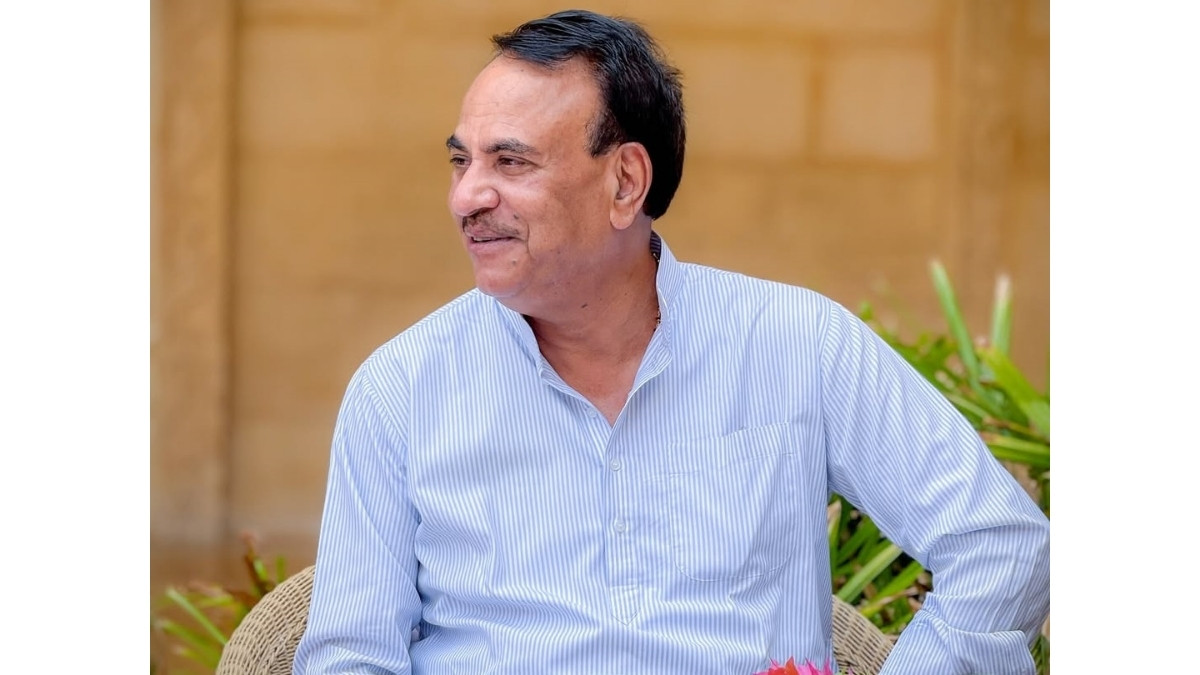
    Commenting on the financial performance, Mr. Ved Prakash Khurana, Chairman and Whole-time Director of Globe Civil Projects Limited said, “We are pleased to report strong growth in Q4 FY25 and for the full year FY25. It is a proud moment for all of us at Globe Civil Projects Limited to present our first set of financial results post-IPO with such strong performance. This growth is a reflection of our execution strength across a diverse portfolio of projects from railway infrastructure and educational institution buildings to specialized works such as railway bridges, elevated railway terminals, airport terminals, and hospitals. Our ability to deliver turnkey solutions including MEP services, HVAC systems, firefighting and fire alarm systems, and architectural and structural work has further strengthened our position as a reliable and capable EPC player in the infrastructure space.

    If you have any objection to this press release content, kindly contact pr.error.rectification@gmail.com to notify us. We will respond and rectify the situation in the next 24 hours.

  • Beta Group Forays Into Indian Real Estate With Strategic Investment In Anta Builders

    Beta Group Forays Into Indian Real Estate With Strategic Investment In Anta Builders

    Thiruvananthapuram (Kerala) [India], July 22: Beta Group, the $4 billion diversified transnational conglomerate with global interests in commodity trading, food products, and other high-growth sectors, has announced its formal entry into India’s real estate and infrastructure space through a strategic investment in Anta Builders, a leading construction and property development company based in Kerala.

    As part of the partnership, Beta Group will acquire a 10 per cent stake in Anta Builders, based on a valuation of ₹550 crore. The move marks a significant milestone for both firms, laying the groundwork for a broader collaboration aimed at scaling operations and driving innovation in India’s urban development sector.

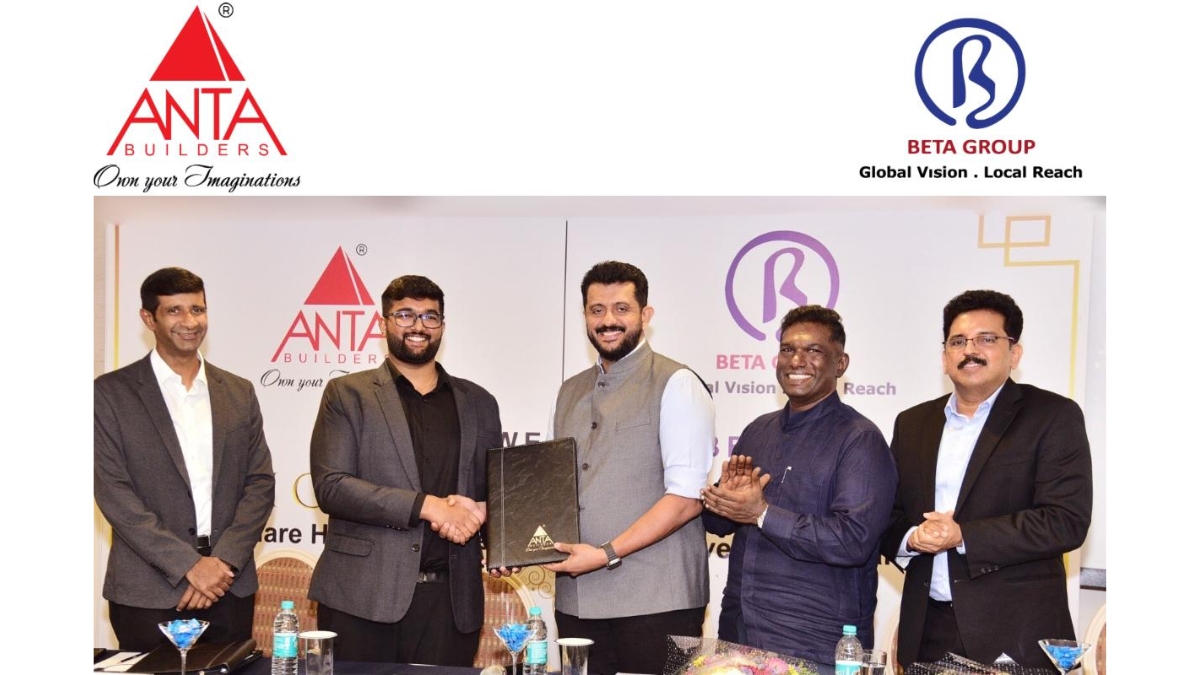
    The Memorandum of Understanding (MoU) and Shareholding agreement were signed in Thiruvananthapuram by Rajnarayan Pillai, Director of Beta Group, and Midhun Kuruvila Kurien, Managing Director of Anta Builders. George Varghese, Managing Director of Kirloskar Industries Ltd, and Rajmohan Pillai, Chairman of Beta Group, were also present at the signing ceremony.

    Beta Group will also join the Board of Directors of Anta Builders, signalling a year-long strategic commitment and deeper engagement in the company’s long-term vision.

    “This partnership reflects our strategic intent to participate meaningfully in India’s urban transformation journey,” a Beta Group spokesperson said.

    The collaboration is expected to enable both entities to jointly raise ₹500 crore for real estate and infrastructure development projects across the country. The focus will be on expanding into high-growth urban centres such as Bengaluru, Hyderabad, Pune, Mumbai, and Gurugram.

    Key areas of collaboration include:

    • Adoption of advanced construction technologies and sustainable building practices
    • Expansion into smart city and green infrastructure projects
    • Enhancement of capacity for high-value infrastructure development
    • Strategic investments in residential and commercial real estate across major metros

    With several ongoing projects across Kerala, Anta Builders is well-positioned to leverage this partnership to emerge as a national player in the real estate and infrastructure sector.

    If you have any objection to this press release content, kindly contact pr.error.rectification@gmail.com to notify us. We will respond and rectify the situation in the next 24 hours.

  • Savy Infra and Logistics Limited IPO Opens on July 21, 2025

    Savy Infra and Logistics Limited IPO Opens on July 21, 2025

    Mumbai (Maharashtra) [India], July 22: Savy Infra and Logistics Limited (The Company, Savy Infra) is engaged in the business of EPC and Logistics, proposes to open its Initial Public Offering on Monday, July 21, 2025, aiming to raise 69.98 Crore (At Upper Price Band), with shares to be listed on the NSE Emerge platform.

    The issue size is 58,32,000 equity shares at a face value of 10 each with a price band of 114 – 120 Per Share.

    Equity Share Allocation:

    • QIB Anchor Portion – Up to 16,60,800 Equity Shares
    • Qualified Institutional Buyer – Up to 11,07,600 Equity Shares
    • Non-Institutional Investors – Not less than 8,31,600 Equity Shares
    • Retail Individual Investors – Not less than 19,39,200 Equity Shares
    • Market Maker – Up to 2,92,800 Equity Shares

    Minimum Application Size:

    • S-HNI – 3,600 Equity Shares
    • Retail investors – 2,400 Equity Shares

    The net proceeds from the IPO will be utilized for funding working capital requirements and general corporate purposes. The anchor bidding will open on July 18, 2025, while the public issue will open on July 21, 2025, and close on July 23, 2025.

    The Book Running Lead Manager to the Issue is Unistone Capital Private Limited, The Registrar to the Issue is Maashitla Securities Private Limited.

    Mr. Tilak Mundhra, Chairman & Managing Director of Savy Infra & Logistics Limited said, “Our upcoming IPO is a key milestone in strengthening and expanding our operations. The capital raised will support our working capital needs and enable us to scale both the EPC and logistics divisions efficiently. In EPC, we continue to focus on core infrastructure work such as earthwork, road construction, and foundation preparation areas where we have built strong execution capabilities over the years.

    In logistics, we are taking a forward-looking step by introducing electric trucks to improve operational efficiency and reduce fuel dependency. This shift will significantly lower costs and allow us to offer dependable, cost-effective services to our clients. By adopting an asset-light model and focusing on long-term contracts, we are ensuring both scalability and financial discipline. We believe these efforts will help us build a strong and resilient logistics platform for the future.”

    Mr. Brijesh Parekh, Founder of Unistone Capital Private Limited said, “We are pleased to be associated with Savy Infra & Logistics Limited as they take a significant step forward with the launch of their Initial Public Offering. The company has steadily built a presence in the infrastructure space, particularly in EPC and logistics services.

    This IPO will support Savy Infra’s plans to strengthen its operations, improve execution capabilities, and participate in larger infrastructure projects. With a focus on core EPC activities such as earthwork, foundation preparation, road construction, embankments, sub-grade work, granular sub-bases, and bituminous or concrete surfaces alongside its growing logistics segment the company is well-positioned to contribute meaningfully to India’s infrastructure growth.”

    If you object to the content of this press release, please notify us at pr.error.rectification@gmail.com. We will respond and rectify the situation within 24 hours.

  • Meghraj Singh Shekhawat on Why Indian Travelers Are Choosing Eco-Friendly Destinations

    Meghraj Singh Shekhawat on Why Indian Travelers Are Choosing Eco-Friendly Destinations

    New Delhi [India], July 21: The Earth is facing unprecedented challenges from climate change and pollution to the depletion of natural resources, making it more urgent than ever for humanity to take meaningful action to restore and protect our planet. In this critical moment, the choices we make as travellers matter immensely.

    Eco-friendly destinations are no longer just an option but a necessity for any responsible tourist who wishes to minimise their environmental impact and support the preservation of local cultures and ecosystems.

    Leaders in the hospitality industry are recognising this shiftMeghraj Singh Shekhawat of MRS Group has been a prominent voice reiterating the importance of sustainable tourism and the transformative power of eco-friendly destinations.

    Through the MRS Group, Shekhawat champions eco-friendliness by integrating sustainable practices into their heritage properties, offering immersive experiences that honor both culture and the environment, and setting a new standard for responsible luxury travel.

    Lets decode further.

    India is witnessing a remarkable surge in eco-friendly tourism, with the sector projected to reach USD 15.5 billion in 2025 and anticipated to grow to USD 41.5 billion by 2035, driven by a robust annual growth rate of 10.3%.

    This momentum is matched by a dramatic shift in traveler attitudes: according to Booking.com’s 2025 Travel & Sustainability Report, 87% of Indian tourists plan to travel more sustainably in the coming year, reflecting a heightened awareness of eco-conscious tourism across the country.

    Indian travellers are not only expressing intent but also taking action, opting for greener transportation, reducing waste, conserving energy, and seeking accommodations with credible sustainability credentials, which have all become central to their travel choices.

    Meghraj Singh Shekhawat believes, “People across India are waking up to the reality that every choice matters, especially when we travel within our own country. Each individual effort, no matter how small, contributes to a much larger impact.”

    “As a nation, we are witnessing a powerful behavioral shift, with more travelers consciously opting for sustainable practices and eco-friendly destinations. Together, these choices are helping to shape a greener, more responsible future for Indian tourism.” He adds

    Destinations like Rajasthan, Kerala, Sikkim, and the Andaman & Nicobar Islands stand out for their commitment to conservation and responsible tourism.

    Sikkim, India’s first fully organic state, exemplifies sustainable tourism by encouraging visitors to trek through pristine landscapes and experience organic farming, all within a framework that prioritises environmental protection.

    Rajasthan, renowned for its majestic forts and vibrant culture, has also emerged as a leader in eco-friendly travel, particularly through its heritage hotels. Many heritage hotels in Rajasthan, such as those restored by local families or groups, integrate green practices like harnessing renewable energy, employing water-saving technologies, and implementing waste reduction and recycling initiatives.

    Central to this movement is community-based tourism, which empowers local populations by integrating them into the tourism economy. Through homestays, guided tours, and handicraft sales, communities earn sustainable income while preserving their traditional knowledge and cultural heritage.

    This approach not only benefits villagers economically but also fosters meaningful cultural exchanges, allowing travelers to gain authentic insights into local life.

    Meghraj Singh Shekhawat opines, “There is no way we can truly call for sustainability and eco-tourism without the wholehearted support of local communities, who are the very heartbeats of these places and have lived in harmony with their environment for centuries.”

    The MRS Group stands as a shining example of these values in action. Under Shekhawat’s leadership, the group has woven community empowerment, heritage conservation, and environmental stewardship into the very fabric of its operations.

    Their iconic properties such as Suryagarh Jaisalmer, Narendra Bhawan Bikaner, and Mary Budden Estate Binsar are not just luxury destinations but living embodiments of responsible tourism. Each property actively involves local communities, whether through employment opportunities, supporting local artisans and farmers, or preserving traditional crafts and knowledge.

    “Their wisdom, traditions, and stewardship are essential to preserving the authenticity and ecological balance of every destination. Empowering and including these communities is not just the right thing to do it is the only way forward if we wish to create tourism models that are genuinely sustainable, resilient, and enriching for all.” Believes Shekhawat.

    By choosing eco-conscious destinations and practices, Indian travelers are playing a vital role in safeguarding the country’s rich heritage and biodiversity, ensuring that future generations can continue to enjoy the beauty and culture that make India a truly unique destination.

    If you have any objection to this press release content, kindly contact pr.error.rectification@gmail.com to notify us. We will respond and rectify the situation in the next 24 hours.

  • Emergency Exit Maps for Buildings that Never Stay Put: A Survival Guide to Architectural Chaos

    Emergency Exit Maps for Buildings that Never Stay Put: A Survival Guide to Architectural Chaos

    New Delhi [India], July 22: Think about entering a building whose corridors curl and stretch like molten glass, whose staircases pirouette and are swallowed up behind swinging walls, and where every door opens up somewhere different, or nowhere familiar. Welcome to the age of self-reorganizing architecture, where the very floor plan of a structure is as ephemeral as your morning coffee high.

    Think about having to locate an emergency exit in that morphing maze. Panic would already be in effect if you had a map printed out five minutes prior, and then you find the corridors have already reorganized. Classic exit plans turn into useless trinkets, rendered obsolete before they even reach the printer tray. But despite how confusing these buildings are, human creativity is never far behind.

    Let’s take a stroll through this architectural chaos and see how Dreamina’s AI photo generator can navigate and even love these constantly shifting spaces!

    The disappearing exit: why static maps in traditional buildings do not work

    In traditional architecture, exit maps during emergencies are static, wall-mounted or printed, carefully laid out to lead the occupants to safety. These charts presume that doors remain static, staircases remain where you think, and walls do not open up or shut down unexpectedly.

    But in buildings that have minds of their own — spaces that change shape at all hours, corridors wind around each other, and floors reconfigure in the dead of night — a printed emergency map is akin to a treasure map inscribed in invisible ink.

    Print it for extra efficiency

    By the time you’ve printed it, the exit you’ve committed to memory might be behind a wall that’s newly constructed or traded places with a service elevator shaft. These are the kinds of situations where static signage becomes not only useless, but hazardous.

    Picture a theater with backstage corridors that change daily, or a laboratory whose layout changes by the hour to maximize space. These environments require something smarter, more flexible, and more dynamic than a laminated sheet of paper.

    Living blueprints: when maps breathe and move with you

    Welcome to the era of dynamic wayfinding systems — interactive, AI-based emergency maps that adapt in real-time. Picture a digital screen near an exit that immediately changes to show you the current configuration of the building, directing you to the safest path regardless of how the architecture shifts around you.

    Emergency exit signs

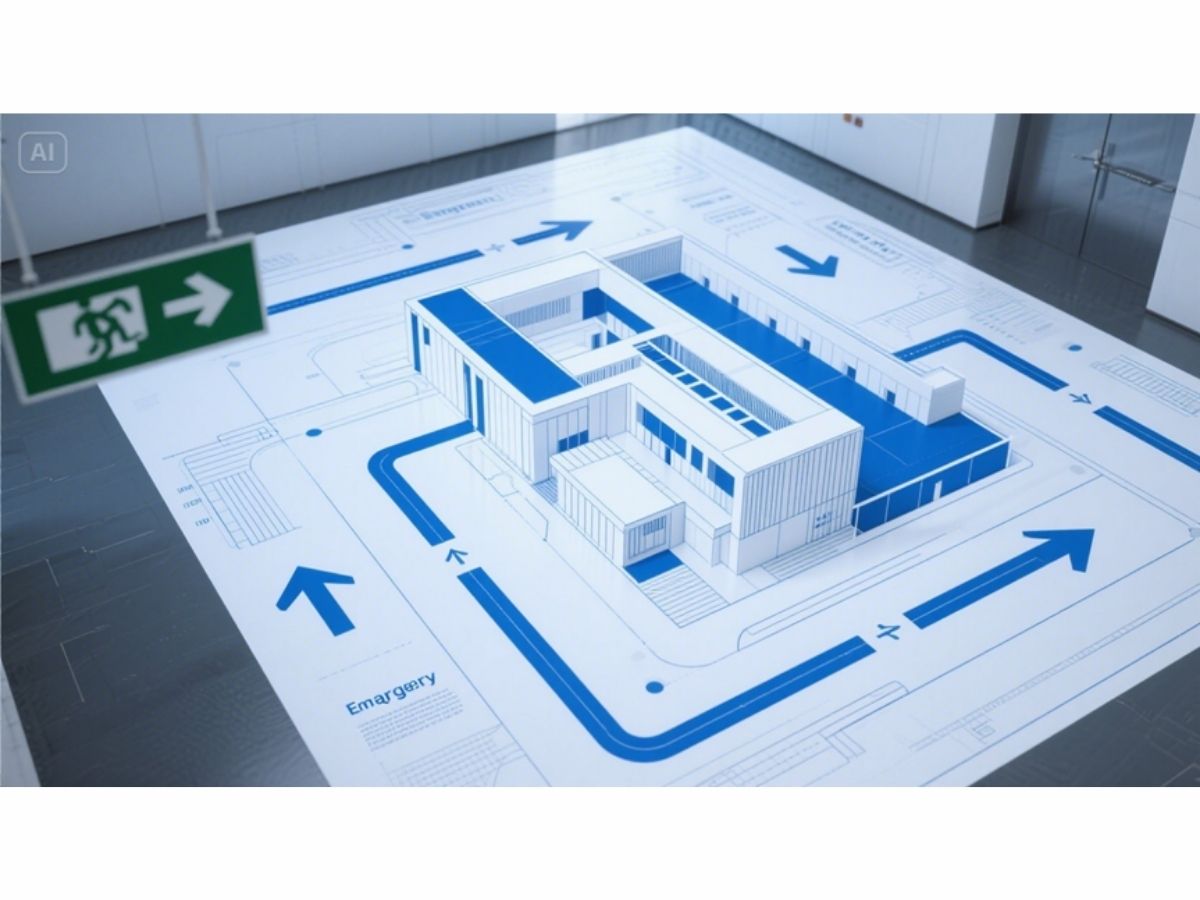
    With the advancements in AI, one is now able to implement an image generator that produces bespoke visual guides in real time. Emergency exit signs can become dynamic diagrams, casting arrows and routes calibrated to the current shape of the building and obstructions. Such maps do not simply indicate exits; they learn from pedestrian traffic patterns, sensor feeds, and even your travels to predict and guide your most secure route out.
    Mobile phones and other devices as a vessel of choice 

    You could even use your smartphone as a personal navigation companion. Your device could create a live, augmented-reality escape route by synchronising with the building’s internal mapping system, superimposing directions onto the hallways you’re currently traversing. Printing maps that eventually become obsolete is becoming obsolete.

    Branding chaos: from logos to artworks that shift with space

    In reinventing buildings, it’s not only exit maps that should be malleable — all aspects of signage and branding should be as well. Old-fashioned logos and non-changing signs become meaningless when they’re plastered on walls that might cease to exist or move.

    Logos for the perfect signs

    Innovators are utilizing Dreamina’s AI logo generator to create modular brand elements that can change their shape, color, or position based on context. Consider a logo that subtly changes its design to show different zones or emergency states in the building, assisting occupants to unconsciously navigate even while the surroundings change around them.
    Sketch it and pick it

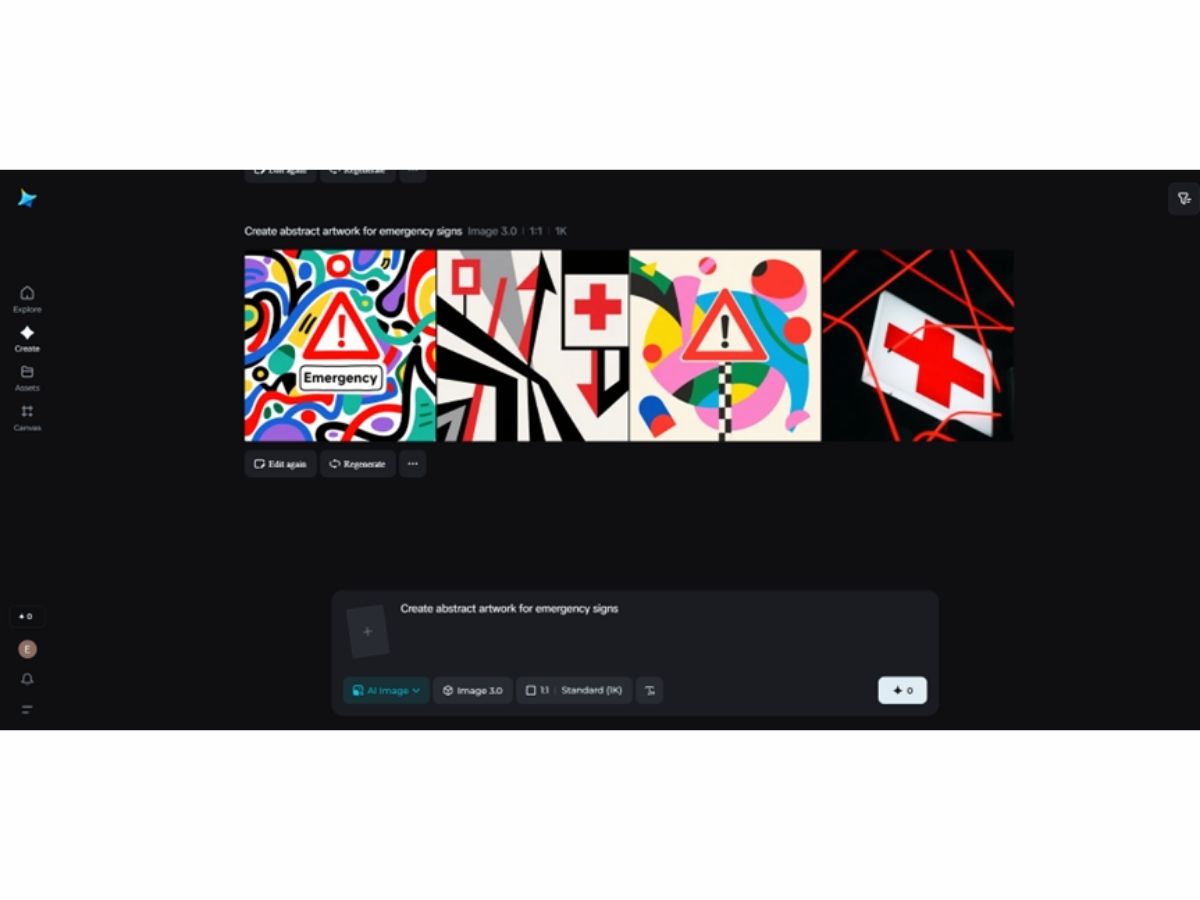
    Dreamina’s free AI art generator, also, is a necessary utility. But not the kind of sticky paper you rip off and throw away. We’re referring to digital sticker overlays projected onto walls and floors — dynamic, informative icons that pop up and fade as hallways change. These constantly updated visual cues assist in keeping people oriented and familiar with what’s around them during periods of architectural change.
    Psychological architecture: soothing minds in an era of transition

    In addition to the technical issue, there’s the psychological one. Humans need certainty — we ask for firm landmarks and well-defined routes when moving through space, particularly in the case of an emergency. In a building that’s constantly reconfiguring, staying calm is a formidable task.

    Designers are investigating the incorporation of soothing visual language into shifting signage and fluid maps. The digital emergency guides are accompanied by soft colours, smooth animations, and calming sound cues that help to calm people and build confidence in the wayfinding system. Residents can feel secure even amid chaos if the architecture is designed to feel more like an adaptable companion than a trap.

    When the building learns: AI’s role in architectural survival

    Behind the scenes, AI functions as architect and caretaker. It oversees sensor networks, monitors occupancy, scans for hazards, and dynamically updates the building’s spatial model in real time. The information is input to the emergency mapping system, which is capable of predicting bottlenecks or hazardous areas and dynamically re-routing evacuees.

    The image generator AI plays a vital role here, constantly creating new images that depict current routes, barriers, and doors. The building itself is an intelligent system, walls and signs cooperating to keep individuals safe.

    Beyond escape: playful navigation in a shifting world

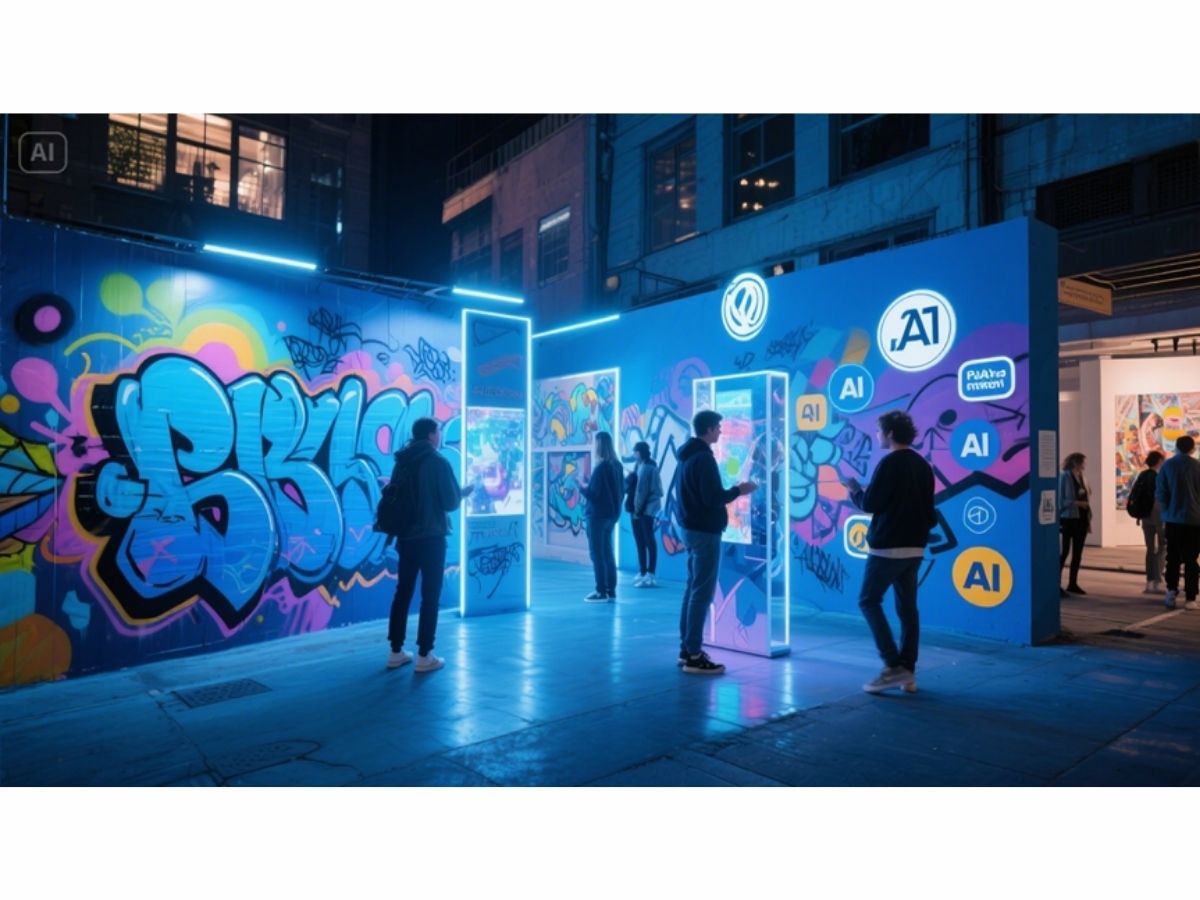
    It’s easy to imagine these structures as simple dangers to flee from. But fluid architecture also calls out for new ways of interaction and play. Picture scavenger hunts or art experiences that employ changeable spaces as canvases, with artworks and logos created by AI turning the spaces into a living exhibit.
    Emergency exit maps could also serve as interactive games or storytelling tools, inviting inhabitants to learn and appreciate the idiosyncrasies of the building before a real crisis occurs. This converts a survival requirement into an experience that fosters contact and imagination.

    Mapping the unmappable

    Exploring a building that reconfigures itself continuously defies all we believe we understand about space, safety, and signage. Static maps become useless in such dynamic architectures, but emerging technologies such as AI image generators, AI logo generators, and digital artwork makers are leading to the development of flexible, living navigation systems.

    Ultimately, these structures remind us that security does not derive from fixity but from adaptability, resiliency, and creativity.

    Conclusion

    By accepting the turbulence with smart design and interactive devices, we may transform architectural uncertainty from a threat into a new frontier for human creativity and exploration.

    Next time you step into a changing space, keep this in mind: the map can shift, but your sense of navigation is adapting as well — and it’s only becoming smarter.

    If you object to the content of this press release, please notify us at pr.error.rectification@gmail.com. We will respond and rectify the situation within 24 hours.

  • Paras Grover, Founder of Unified Mentor, Awarded “Outstanding Leader of the Year” for Excellence in EdTech on MSME Day 2025

    Paras Grover, Founder of Unified Mentor, Awarded “Outstanding Leader of the Year” for Excellence in EdTech on MSME Day 2025

    New Delhi [India], July 21: Paras Grover, a dynamic and purpose-driven EdTech entrepreneur, has been conferred with the prestigious title of “Outstanding Leader of the Year – Excellence in EdTech” by a United Nations-affiliated body at the World MSME Day 2025 celebration, held at the iconic Bharat Mandapam. The award honors leaders who are redefining education, innovation, and empowerment in India’s growing MSME ecosystem.

    As the Founder of Unified Mentor, a bootstrapped EdTech startup focused on affordable, practical, and placement-driven learning, Grover’s journey reflects both vision and resilience. His mission is clear: to democratize tech and career education for India’s underserved youth — especially those in Tier 2 and Tier 3 cities, where access to real-world learning often remains a dream.

    From a Realization to a Revolution

    The spark for Unified Mentor was ignited during Grover’s early mentoring years. While engaging with students in small towns, one line stayed with him: “Sir, I just need someone to believe in me and teach me real skills. I’ll handle the rest.” That single moment revealed the gap between what was being taught and what students truly needed.

    Unlike traditional EdTech platforms that often focus on theory-heavy and high-cost courses, Grover envisioned a platform rooted in mentorship, skill development, and job-readiness — with real outcomes, not just video lectures. And so, Unified Mentor was born.

    Built with Belief, Not Backing

    Starting without any external funding, Grover bootstrapped Unified Mentor from the ground up. From course design and marketing to mentorship and operations, he juggled every role in the early days. The biggest challenge? Breaking the myth that affordable means low-quality.

    But his perseverance paid off.

    Today, Unified Mentor has empowered over 1.25 lakh students across India, offering internship-based skilling programscapstone projectsoffer lettersLORs, and placement assistance. It has become a trusted platform among college students and aspiring professionals who want real learning, not just certificates.

    A Founder, Author, Mentor — All in One

    Grover’s personal growth is closely interwoven with his professional mission. He has authored two impactful books:

    • “From Hometown to Dream” (2023) – a reflection on ambition, self-growth, and turning adversity into opportunity.
    • “Why Internships Matter” (2024) – a practical guide for students navigating the career ecosystem.

    In addition, he runs a highly successful LinkedIn newsletter titled “Next Step”, which gained 20,000+ subscribers in just 7 months, and has been featured as a Top Business Strategy Voice on LinkedIn, followed by over 40,000 professionals.

    His mentorship has guided thousands, not only through Unified Mentor but also through content, workshops, and internships aimed at making young talent industry-ready.

    Recognitions & Milestones


    • Awarded “Outstanding Leader of the Year – EdTech Excellence” on World MSME Day 2025
    • Winner of the Pride of Bharat Award 2023 for youth skill development
    • Featured on the cover of Heights of Success magazine
    • Built Unified Mentor — a 100% bootstrapped EdTech startup — from zero to 1.25 lakh learners
    • Led the design of placement-focused internship programs recognized for their hands-on approach and affordability

    Unified Mentor: More Than a Platform — A Movement

    Unified Mentor isn’t just an education company — it’s a movement. A movement to bridge the skills-employment gap in India. Grover envisions education the way sports work — focused on training, performance, resilience, and mentorship. This sports-like culture underpins the way Unified Mentor trains students: with coaching, challenges, feedback, and growth.

    The platform is gearing up for its next chapter, which includes:

    • College Connect Program for on-campus awareness
    • Corporate partnerships for placements and internships
    • Mentorship initiatives involving working professionals from tech, marketing, and business domains

    A Vision for the Future

    Paras Grover’s ultimate goal is to build India’s most trusted and affordable skilling ecosystem — one that doesn’t exclude students because of their financial or geographic limitations. His dream is simple but powerful: to give students what they actually need, not just what sells.

    With a clear mission, impactful leadership, and a growing community of learners, Grover is setting new benchmarks in India’s EdTech landscape — one student at a time.

    Contact Information:

    Email: paras.grover@unifiedmentor.com
    Website: www.unifiedmentor.com
    Book Author Page: Amazon – Why Internships Matter
    LinkedIn: Paras Grover
    Newsletter: Next Step on LinkedIn

    If you object to the content of this press release, please notify us at pr.error.rectification@gmail.com. We will respond and rectify the situation within 24 hours.

  • DealBuddy Lets Users Buy Products for As Low As 1 Paise – A New E-commerce Model for India 2.1

    DealBuddy Lets Users Buy Products for As Low As 1 Paise – A New E-commerce Model for India 2.1

    Kozhikode (Kerala) [India], July 21: For long, India’s booming e-commerce industry has largely catered to what venture capital firm Blume Ventures calls “India 1” – the top 140 million digitally savvy, urban consumers. But the vast middle, “India 2” – nearly 300 million aspirational Indians – has remained largely underserved.

    That’s now changing with the arrival of DealBuddy, India’s first gamified e-commerce app, designed not just to sell – but to let users win products, sometimes for as low as 1 paise.

    India 2.1: Ready to Play, Ready to Shop

    While India 2 has been slow to embrace traditional online shopping, there’s one digital space where they’re already deeply engaged – gaming. India is home to 650 million gamers, and remarkably, 150 millions of them are pay-to-play users, spending money not on goods, but on the thrill of competition in apps like Dream11, Ludo King, and Teen Patti.

    This behaviour signals a powerful insight: India 2.1 doesn’t just want to shop. They want to “win” deals through interactive and gamified experiences, elements traditional e-commerce has largely ignored. India 2.1 needs a new model of ecommerce.

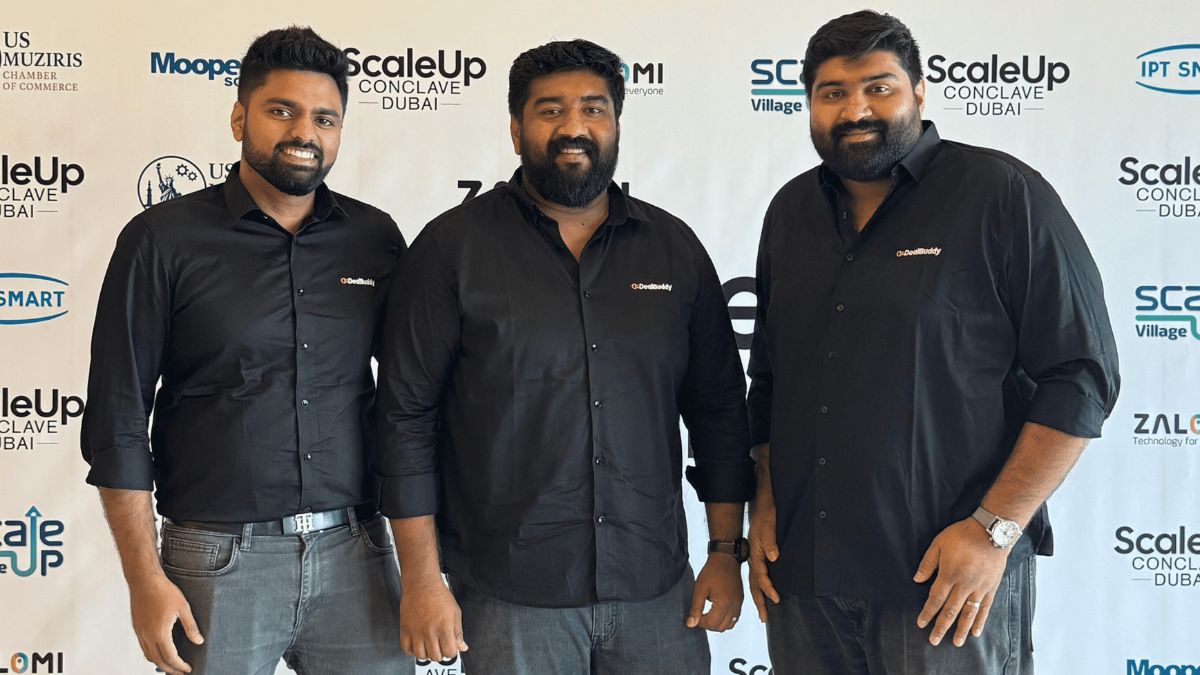
    DealBuddy, founded by Basil Nalakath, Adhnan Rasheed and Basim Nalakath, taps directly into this mindset – merging the engagement of gaming with the value of e-commerce. Every day, brands run multiple deals on DealBuddy. Users compete with each other to win the deal- but with a twist. Instead of the highest offer winning, in DealBuddy, the user who places the lowest unique offer walks away with the product at the end of the deal period- be it a smartphone, trimmer, smartwatch, or branded perfume – sometimes at less than ₹1.

    A New Model for a New Bharat

    “Traditional e-commerce isn’t broken – but it’s boring and not relevant for the India2.1 consumers who seek excitement in all their digital interactions” says Basil Nalakath, Founder & CEO at DealBuddy. “The current platforms are built for India 1. But India 2.1 needs a different model – one that feels like entertainment, not just transactions.”

    Since its launch, DealBuddy has attracted over 25,000 users in just a month, with near-zero customer acquisition cost – a rare feat in India’s hypercompetitive online retail space. The app’s built-in Yard Sale allows winners to resell their products within the community, creating a vibrant, self-sustaining marketplace.

    Adhnan Rasheed, Co-founder & COO at DealBuddy, adds, “Today, brands are struggling with high CAC and are looking to expand beyond saturated markets to a new category of users from India 2. However, they’re finding it hard to reach India 2.1 in a way that’s both profitable and engaging. DealBuddy aspires to be the go-to platform for brands targeting these users- through a model that they are already familiar with. We’ve already partnered with several D2C brands and are actively engaging with many more to help them unlock this high-potential, under-tapped market.”

    The Future of Bharat Commerce

    In a country where shopping festivals are still the only time many buy online, DealBuddy is creating daily mini-festivals – bite-sized events that combine affordability, excitement, and digital participation. It’s a model that fits the lifestyle, mindset, and behavior of India’s next 300 million digital consumers.

    As gaming, social media, and commerce continue to converge, DealBuddy’s approach may well be a blueprint for the next evolution of e-commerce in India – where deals aren’t just discovered, but won.

    Link: https://www.dealbuddy.live/theapp

    If you object to the content of this press release, please notify us at pr.error.rectification@gmail.com. We will respond and rectify the situation within 24 hours.