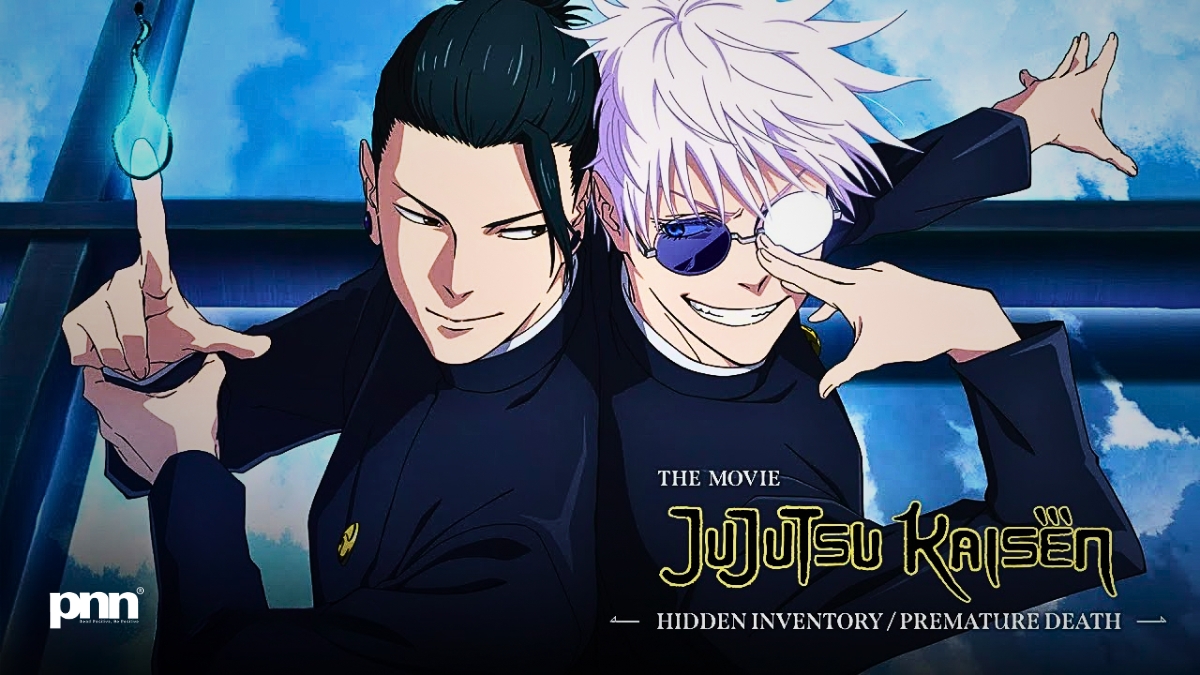
Mumbai (Maharashtra) [India], January 1: There are anime releases that feel like celebrations, and then there are releases that feel like emotional ambushes. Jujutsu Kaisen: Hidden Inventory / Premature Death falls firmly into the second category. This is not a victory lap. This is a carefully curated reminder that before the chaos, before the curses, before the fandom discourse spiralled into weekly therapy sessions, there was grief—quiet, formative, and devastating.
With the compilation film officially heading to Indian theatres this January, the timing feels deliberate. Strategic, even. While audiences brace for what comes next in the franchise’s future, the makers have chosen to rewind the clock and reopen wounds. Politely. On the big screen.
A Theatrical Release That Isn’t About Spectacle
Let’s get one thing straight: this isn’t a “new” movie in the traditional sense. It’s a theatrical compilation of one of the most emotionally loaded arcs in modern anime—Hidden Inventory / Premature Death. The arc that redefined mentor figures, fractured friendships, and quietly explained why certain characters walk through the story like beautifully damaged ghosts.
So why bring it to theatres now?
Because nostalgia sells—but trauma sells better.
Indian anime audiences, once considered niche, are now a market that distributors can no longer afford to treat as an afterthought. Over the last few years, anime films in India have moved from limited screenings to full-fledged theatrical events. This release is a continuation of that confidence—measured, not reckless.

The Arc That Changed Everything (And Everyone)
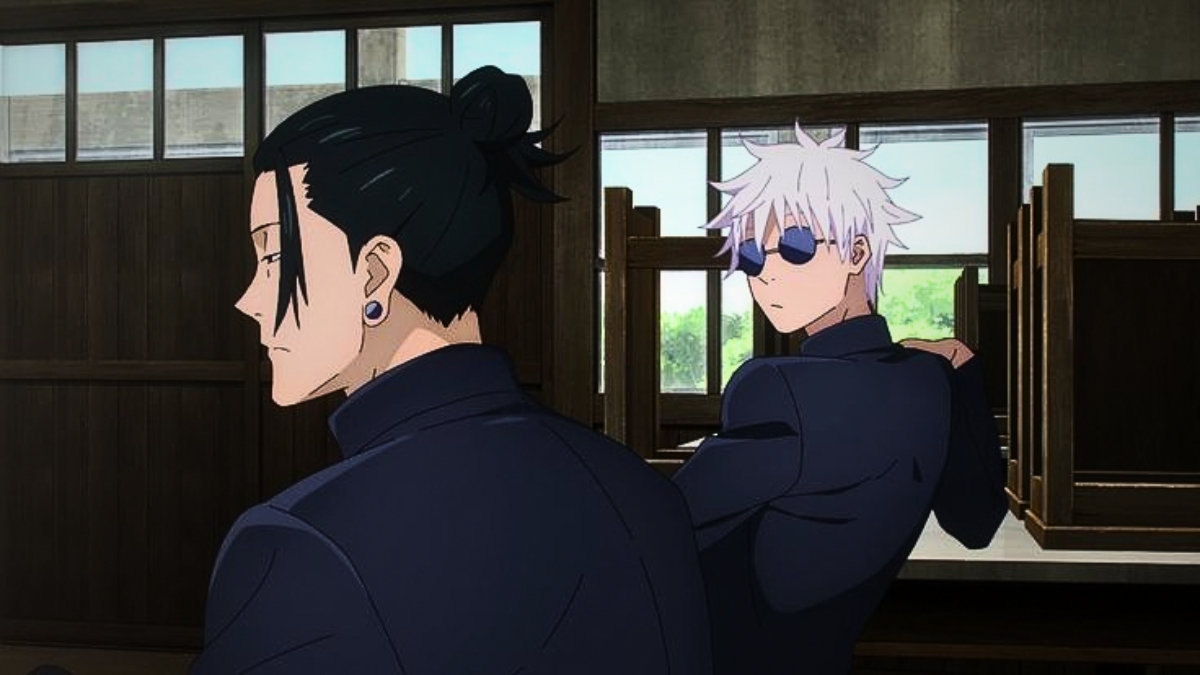
For those who may need a reminder—or emotional preparation—Hidden Inventory / Premature Death focuses on the past of two characters whose present-day choices define the entire series. Set years before the main storyline, the arc peels back layers of arrogance, idealism, and eventual disillusionment.
At its core, this story is about youth colliding with reality. About power without wisdom. About friendships that rot not from betrayal, but from ideology.
It’s quieter than later arcs. Less explosive. And arguably more unsettling because of it.
Why Indian Theatres, Why Now?
The Indian release signals a broader shift: anime is no longer being positioned as “alternative content.” It’s a premium IP.
From packed screenings to merch sales and online engagement, the numbers speak clearly. Anime audiences in India are informed, vocal, and—most importantly—willing to show up. The theatrical model works here now, especially for emotionally significant arcs that benefit from a shared viewing experience.
That said, this isn’t a guaranteed box-office bonanza.
Compilation films carry inherent risks:
-
Hardcore fans may question paying again for content they’ve already streamed.
-
Casual viewers might feel lost without a broader series context.
-
Emotional heaviness limits repeat viewing appeal.
Still, the gamble feels calculated rather than desperate.
The PR Strategy: Memory As Marketing
Let’s not pretend this release exists in isolation. It’s part of a larger content ecosystem.
With Season 3 already looming on the horizon for digital platforms, the film functions as both a refresher and a recontextualisation. It reminds audiences of what’s at stake. Of how we got here. Of why upcoming arcs will hurt more than they entertain.
It’s clever brand storytelling—less noise, more consequence.
And yes, a little cruel. But this franchise has never pretended to be gentle.
Production Value Still Carries Weight
Even as a compilation, the film benefits from cinematic remastering, refined sound design, and large-screen impact that television simply can’t replicate. Certain moments—lingering glances, silences heavy with implication—gain new intensity in theatres.
However, let’s be honest: this isn’t a visual spectacle designed to overwhelm. The power lies in restraint, which may frustrate viewers expecting nonstop action.
That’s not a flaw. It’s a warning label.

The Fans React (Predictably, Emotionally)
Early reactions online—particularly from international screenings—suggest a familiar pattern:
-
Praise for emotional cohesion and pacing.
-
Renewed heartbreak over character trajectories.
-
Heated debates about whether compilation films should exist at all.
In other words, the fandom is doing exactly what it does best: feeling everything, loudly.
Indian fans, long accustomed to consuming anime in private spaces, now get to grieve communally. That alone changes the experience.
The Business Side No One Likes Talking About
From a financial standpoint, compilation films are efficient. Lower production costs compared to original films, pre-existing audience awareness, and relatively predictable returns make them attractive in volatile markets.
This doesn’t mean creativity is compromised—but it does mean expectations should be calibrated. This release is about sustaining momentum, not reinventing the franchise.
And there’s nothing wrong with that.
The Shadow Of Season 3 Looms Large
Perhaps the most interesting aspect of this release is what it quietly prepares audiences for—season 3 promises escalation—narrative, emotional, and ideological. The film acts as a tonal bridge, reminding viewers that what’s coming is rooted in loss, not spectacle.
For new viewers, it’s an invitation.
For existing fans, it’s a warning.
Final Thoughts: A Release That Knows Exactly What It’s Doing
Jujutsu Kaisen: Hidden Inventory / Premature Death, arriving in Indian theatres, isn’t about expanding the story. It’s about deepening it. About pausing the forward momentum just long enough to remember why the journey hurts in the first place.
Is it essential viewing? For fans—absolutely.
Is it commercially aggressive? No.
Is it emotionally manipulative? Without apology.
And maybe that’s the point.
In a market increasingly obsessed with bigger, louder, faster, this release dares to be reflective. It trusts its audience to sit with discomfort. To remember. To feel.
Just don’t expect to walk out lighter than you walked in.